TV Series20061 Season52 EpisodesEnded
Weapons of War - A History of Military Tools and Machines
DocumentaryWar & Politics
This is a unique, mind-blowing series of 52 individual war documentaries. Each volume provides an original program packed with combat action and expert in-depth commentary and features spectacular footage from 20th Century's key conflicts.
Episodes & Seasons
Browse episodes by season for this series.
Season 1
52 Episodes52 Episodes
EP 01

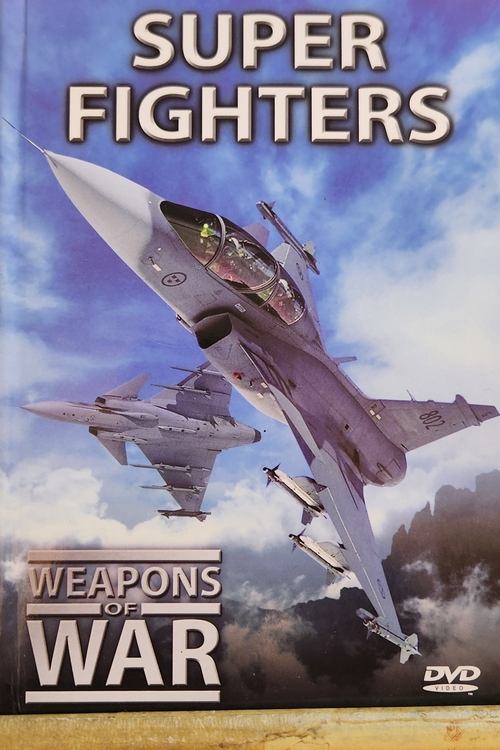
01.Superfighters
40m
2006-01-02
01.Superfighters
40m
Aired 2006-01-02
Superfighters are the world's most capable fighting aircraft. Some have multiple roles, others are air-to-air masters, but all are formidable opponents.
Watch Episode
EP 02

02.Attack Helicopters
40m
2006-01-02
02.Attack Helicopters
40m
Aired 2006-01-02
The full potential of the helicopter as a deadly attack gunship was not fully realized until 1955. Today, however, the attack helicopter dominates the battlefield with its advanced weaponry.
Watch Episode
EP 03

03.US Navy Carriers
40m
2006-01-02
03.US Navy Carriers
40m
Aired 2006-01-02
Aircraft carriers have always been a key tool in enforcing US foreign policy. Today, as a crucial element in the ongoing war against terror, they are more important than ever before.
Watch Episode
EP 04
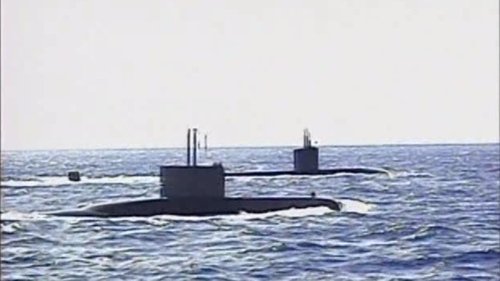
04.Submarines
40m
2006-01-02
04.Submarines
40m
Aired 2006-01-02
A necessary tool in global conflicts, submarines, such as German U-Boats in World War I, have always been used to great effect. With this film, discover the fascinating history of submarines in World War I and II, the Cold War, and beyond.
Watch Episode
EP 05
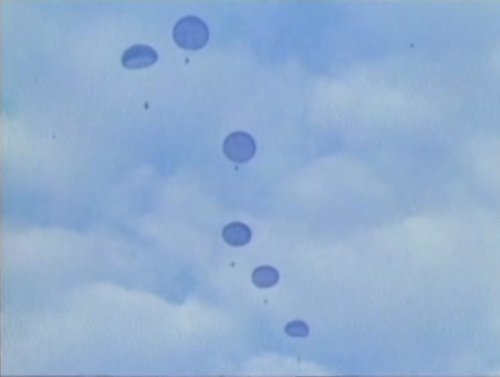
05.Airborne
40m
2006-01-02
05.Airborne
40m
Aired 2006-01-02
Airborne operations may be best associated with World War II - when paratroopers and glider-borne troops made an impact out of all proportion to their numbers - but the well-armed, fast -deploying "skytrooper" is just as valuable today.
Watch Episode
EP 06

06.Tanks
40m
2006-01-02
06.Tanks
40m
Aired 2006-01-02
Able to defeat machine gun nest and navigate through shell-torn landscapes, tanks restored mobile warfare during World War 1. This episode explores why the tank remains a decisive and dominate factor in land war.
Watch Episode
EP 07

07.Battleships
40m
2006-01-02
07.Battleships
40m
Aired 2006-01-02
No warship has ever matched the sheer destructive power of the battleship. Until World War II, it was the centerpiece of the world's most dominant navies and was armed with some of the most powerful artillery ever devised.
Watch Episode
EP 08
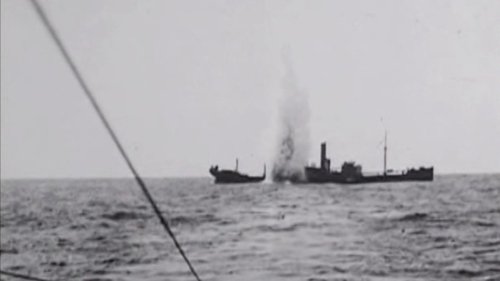
08.Battle of the Atlantic
40m
2006-01-02
08.Battle of the Atlantic
40m
Aired 2006-01-02
In the early years of World War II, Britian stood alone. Hitler planned to defeat the island nation with his U-boat fleet. And after the US entered into the war, U-boats quickly ravaged shipping off its eastern seaboard.
Watch Episode
EP 09

09.Artillery & Rockets
40m
2006-01-02
09.Artillery & Rockets
40m
Aired 2006-01-02
There may be more sophisticated and expensive weapons on the battlefield, but when a commander needs to bring devastating firepower upon the enemy, artillery is often the first choice.
Watch Episode
EP 10

10.Armored Fighting Vehicles
40m
2006-01-02
10.Armored Fighting Vehicles
40m
Aired 2006-01-02
Originally designed to deliver infantry to the battlefield, armored fighting vehicles have developed into formidable military machines armed with heavy guns, machine guns and howitzers.
Watch Episode
EP 11
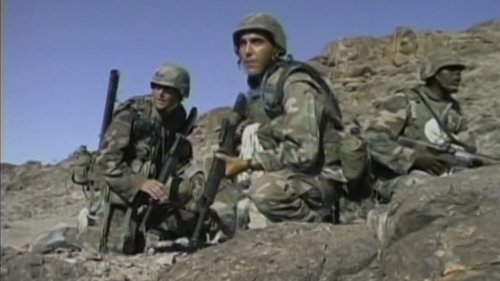
11.Combat Rifleman
40m
2006-01-02
11.Combat Rifleman
40m
Aired 2006-01-02
The combat rifleman's firepower has steadily expanded since early last century and his role is as valuable as ever. The assault rifle, immune to tactical change but keeping pace with technology, remains vital to infantrymen, commandos and guerrillas alike
Watch Episode
EP 12
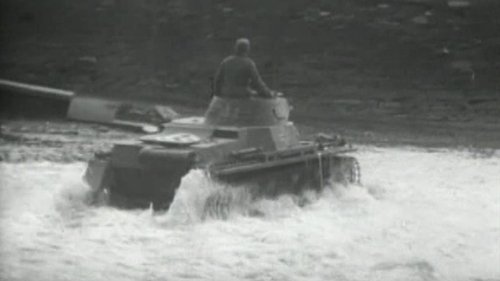
12.Blitzkrieg
40m
2006-01-02
12.Blitzkrieg
40m
Aired 2006-01-02
When Hitler's Germany invaded Poland in September 1939, the world was stunned by the use of a new and fast-moving form of warfare - Blitzkrieg, or lightning war
Watch Episode
EP 13

13.Battle Drones
40m
2006-01-02
13.Battle Drones
40m
Aired 2006-01-02
Since the 1920's, drones have been used as targets during naval gunnery exercises. Today, advanced technology allows the modern drone - or UAV - to fly complex, autonomous missions.
Watch Episode
EP 14
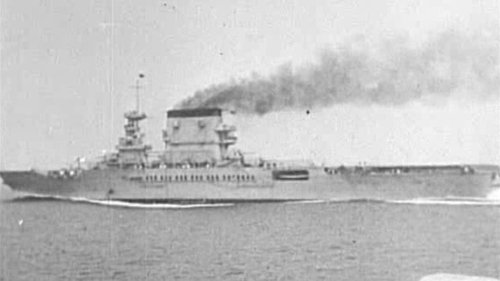
14.Carrier War
40m
2006-01-02
14.Carrier War
40m
Aired 2006-01-02
After the loss of the Pacific Fleet battleships at Pearl Harbor, it was left to the US carriers to take the war to the Japanese. Carrier-based air power proved critical to the US Navy's successful "island hopping" campaign.
Watch Episode
EP 15

15.Desert Storm - Tank War
40m
2006-01-02
15.Desert Storm - Tank War
40m
Aired 2006-01-02
In a lightning-quick campaign, Coalition forces assembled in the Gulf threw Saddam Hussein's Iraqi invaders out of occupied Kuwait in the early months of 1991.
Watch Episode
EP 16

16.Reich Air Defense
40m
2006-01-02
16.Reich Air Defense
40m
Aired 2006-01-02
At the outbreak of World War II, Germany boasted one of the world's most effective air defense systems. This episode follows the course of events that led up to the collapse of that remarkable operation.
Watch Episode
EP 17

17.Fighter
40m
2006-01-02
17.Fighter
40m
Aired 2006-01-02
Discover some of the most technologically advanced systems in the world, such as the US's latest fighters - the F-22A Raptor and F-35 Lightning II.
Watch Episode
EP 18

18.Desert Storm - Air War
40m
2006-01-02
18.Desert Storm - Air War
40m
Aired 2006-01-02
This episode tells the story of an air war. Follow the largest air combat force ever assembled, as Coalition counties fought to liberate Kuwait in Operation Desert Storm.
Watch Episode
EP 19

19.Normandy Invasion
40m
2006-01-02
19.Normandy Invasion
40m
Aired 2006-01-02
The Battle of Normandy began with the legendary D-Day landings of June 6, 1944 - the largest seaborne invasion in history.
Watch Episode
EP 20

20.Vietnam Air War
40m
2006-01-02
20.Vietnam Air War
40m
Aired 2006-01-02
Find out how the US entered the conflict in Southeast Asia and how US tacticians planned to bring the war to a swift end through sustained bombing campaigns.
Watch Episode
EP 21

21.Peacekeeping
40m
2006-01-02
21.Peacekeeping
40m
Aired 2006-01-02
Following the end of World War II and the collapse of the old colonial powers, a new type of military operation emerged.
Watch Episode
EP 22

22.Amphibious Assault
40m
2006-01-02
22.Amphibious Assault
40m
Aired 2006-01-02
The main function of amphibious assault is to get soldiers ashore in the shortest possible time, with highly mobile troops riding into battle in a range of vehicles.
Watch Episode
EP 23

23.Anti-Submarine Warfare
40m
2006-01-02
23.Anti-Submarine Warfare
40m
Aired 2006-01-02
The work of the anti-submarine warfare (ASW) operator may not be glamorous, but it is critical to the maritime balance of power.
Watch Episode
EP 24

24.Bombers
40m
2006-01-02
24.Bombers
40m
Aired 2006-01-02
From the pre-World War I bombers, like the cumbersome German Zeppelin, to the 20th century, and the USAF's sleek, sophisticated B-2 Spirit, bombers have come a long way. Track the evolution of this deadly aircraft and understand the vital role it plays.
Watch Episode
EP 25

25.Spyplanes
40m
2006-01-02
25.Spyplanes
40m
Aired 2006-01-02
Before any action can be sanctioned, civilian and military leaders need to know exactly what an enemy is planning and what his capabilities are.
Watch Episode
EP 26

26.Hitler's Secret Weapons
40m
2006-01-02
26.Hitler's Secret Weapons
40m
Aired 2006-01-02
Nazi Germany's war machine produced some of the most radical and advanced military developments in World War II.
Watch Episode
EP 27

27.Waffen SS
40m
2006-01-02
27.Waffen SS
40m
Aired 2006-01-02
Among the most feared fighting formations of World War II, the men of the Waffen SS were renowned for exceptional fighting qualities, but also for atrocities committed against POWs and civillians.
Watch Episode
EP 28
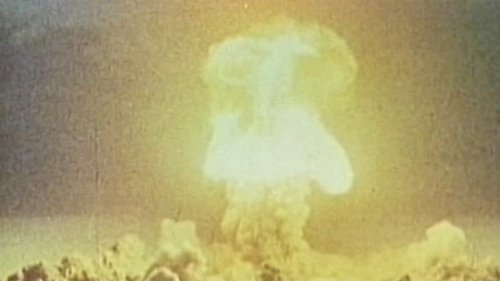
28.Strategic Weapons
40m
2006-01-02
28.Strategic Weapons
40m
Aired 2006-01-02
The two atomic bombs dropped on Japan to end World War II dramatically slammed the door on one era and opened another to the future - a world with nuclear weapons.
Watch Episode
EP 29

29.Aircraft Weapons
40m
2006-01-02
29.Aircraft Weapons
40m
Aired 2006-01-02
Since the earliest days of aviation, aircraft weapons have proliferated, ranging from simple bombs and rockets to sophisticated guided weapons that can drop a bomb through a window from a hundred miles away.
Watch Episode
EP 30

30.Machine Guns
40m
2006-01-02
30.Machine Guns
40m
Aired 2006-01-02
As much a part of modern land warfare as the tank and the howitzer, the machine gun completely changed combat, making it possible for a large number of troops to be killed by a single weapon.
Watch Episode
EP 31

31.Battlefield Recon
40m
2006-01-02
31.Battlefield Recon
40m
Aired 2006-01-02
Historical records dating as far back as the 3rd Century AD show how military conflicts have been supported by units dedicated to reconnoitering the battlefield and reporting back to commanders to allow them to plan the movement of their fighting units.
Watch Episode
EP 32

32.NATO's Navies
40m
2006-01-02
32.NATO's Navies
40m
Aired 2006-01-02
As it had been in World War II, the Atlantic Ocean once again hosted naval competition as Soviet and Western fleets vied for influence and supremacy in the Cold War.
Watch Episode
EP 33

33.Marine
40m
2006-01-02
33.Marine
40m
Aired 2006-01-02
Calling upon a devastating array of land, sea and air warfighting systems, the US Marine Corps continues the proud tradition of those who valiantly fought and died a Belleau Wood, Iwo Jima and Khe Sanh.
Watch Episode
EP 34

34.Electronic Warfare
40m
2006-01-02
34.Electronic Warfare
40m
Aired 2006-01-02
Since World War II, warfare has increasingly meant electronic warfare. Nowhere has this been more apparent than in the case of aerial combat operations.
Watch Episode
EP 35
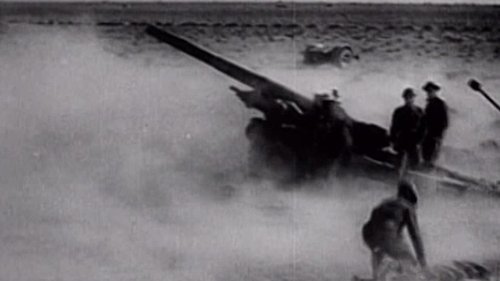
35.WWII Desert War
40m
2006-01-02
35.WWII Desert War
40m
Aired 2006-01-02
Follow the progress of the desert war, from the early Allied successes against Mussolini's Italian forces to the epic Anglo-American Torch landings of 1942.
Watch Episode
EP 36

36.Helicopter Assault
40m
2006-01-02
36.Helicopter Assault
40m
Aired 2006-01-02
During the Civil War, Nathan Bedford Forrest declared that winning battles was all about "getting there first with the most men." Mechanization greatly sped up the process, but the key transport element on the modern battlefield is the helicopter.
Watch Episode
EP 37

37.Cargo Haulers
40m
2006-01-02
37.Cargo Haulers
40m
Aired 2006-01-02
The aircraft has revolutionized the movement of troops and supplies from home bases to the battlefield. Explore their use in World War II, including the Allied resupply missions "over the hump" of the Himalayas.
Watch Episode
EP 38

38.Cold Warriors
40m
2006-01-02
38.Cold Warriors
40m
Aired 2006-01-02
During the years of superpower standoff between the US and the Soviet Union, Central Europe was ground zero for military buildups and for any potential conflicts.
Watch Episode
EP 39

39.Close Air Support
40m
2006-01-02
39.Close Air Support
40m
Aired 2006-01-02
Close air support (CAS) is the use of military aircraft in a ground -attack role against targets in close proximity to friendly forces. With aircraft serving as "airborne artillery" to direct support of the troops, CAS requires detailed integration with the fire and movement of ground forces.
Watch Episode
EP 40

40.Surface-To-Air
40m
2006-01-02
40.Surface-To-Air
40m
Aired 2006-01-02
In the 19th century, military balloons were targeted by artillery pieces. In WWI, machine guns took aim at early planes. since then, air defense has rapidly developed into a sophisticated network of radar, communications and anti-aircraft missiles to provide a virtual shield in the sky.
Watch Episode
EP 41
41.Fleet Air Defense
40m
2006-01-02
41.Fleet Air Defense
40m
Aired 2006-01-02
Faced with the threat of increasingly advanced naval strike aircraft and air-launched anti-ship missiles, the defense of the fleet is as important today as it was to the US Navy in the Pacific during World War II.
Watch Episode
EP 42

42.Vietnam River War
40m
2006-01-02
42.Vietnam River War
40m
Aired 2006-01-02
During the war in Southeast Asia, the Movile Riverine Force was a joint US Army and Navy operation that made up a substantial part of the "brown-water navy" that patrolled inland waterways.
Watch Episode
EP 43

43.Tank Killers
40m
2006-01-02
43.Tank Killers
40m
Aired 2006-01-02
Since its introduction in World War I, the tank has been a dominant force on the modern battlefield. However, its presence has inspired the development of a wide variety of anti-tank weapons.
Watch Episode
EP 44

44.Surface Combatants
40m
2006-01-02
44.Surface Combatants
40m
Aired 2006-01-02
Battleships and aircraft carriers have traditionally grabbed the limelight in the war at sea, but smaller vessels - cruisers, destroyers and frigates - have actually done most of the work since World War II.
Watch Episode
EP 45

45.Special Forces
40m
2006-01-02
45.Special Forces
40m
Aired 2006-01-02
Special forces are a relatively recent innovation in warfare. Study their develompent through operations by the British Commandoes of WWII to the highly trained SEALs of the modern US Navy.
Watch Episode
EP 46

46.Vietnam Ground War
40m
2006-01-02
46.Vietnam Ground War
40m
Aired 2006-01-02
Young, inexperienced and usually drafted into service, the "grunts" who fought the ground battles in the jungles of Vietnam experienced a war unlike any other.
Watch Episode
EP 47

47.Korean War
40m
2006-01-02
47.Korean War
40m
Aired 2006-01-02
For many, the fight for Korea in the early 1950's remains a forgotten war. Fought at one of the most tense periods of the Cold War, the conflict saw a US-led force attempt to roll back the communist invaders.
Watch Episode
EP 48

48.21st-Century Warfare
40m
2006-01-02
48.21st-Century Warfare
40m
Aired 2006-01-02
Whether on land, at sea or in the air, the use of advanced technology is now a key aspect of modern weapon systems, with the aim of dominating the battlespace.
Watch Episode
EP 49
49.WWII Tank Warfare
40m
2006-01-02
49.WWII Tank Warfare
40m
Aired 2006-01-02
Born in the stalemate of WWI trench warfare, the tank was subject to much development between the wars, as tacticians and theorist debated how best to use this devastating weapon in future conflicts.
Watch Episode
EP 50

50.Infantry Support
40m
2006-01-02
50.Infantry Support
40m
Aired 2006-01-02
Infantry support weapons include grenades, mines, mortars and light assault weapons that have been developed through the ages to boost the firepower of the individual soldier and his platoon.
Watch Episode
EP 51
51.Pacific Land War
40m
2006-01-02
51.Pacific Land War
40m
Aired 2006-01-02
The battles fought against Japan in the China, Burma and India (CBI) theater in World War II may be less well known than those of island battles like Iwo Jima and Tarawa, but they were just as vital to the course of the war.
Watch Episode
EP 52

52.Air-To-Air Combat
40m
2006-01-02
52.Air-To-Air Combat
40m
Aired 2006-01-02
Air-to-air combats are typically fought between fighter that are relatively evenly matched in terms of performance and armament; often, it is the skill and training of the pilot that is the deciding factor.
Watch Episode